Health & Wellbeing
7 min read
1
Health & Wellbeing
7 min read
7 min read
7 min read
Ask any parent, and they’ll tell you: children are tiny human dynamos, perpetually filled with enough energy to power the lights on your street for a month or so.
And that’s exactly what we as parents want! Engaged and enthusiastic little people, soaking up everything the world has to offer, before telling us about it in minute detail.
But there’s a flipside, isn’t there? Actually, there are several.
Sometimes overstimulation can harm the quality and quantity of sleep your little one gets or emotional dysregulation can lead to tearful outbursts after a particularly frantic day.
One tool we have found works wonders for soothing and settling children is meditation, mindfulness and practising calming activities which have long-term benefits for children’s overall physical and mental health.
Here at Busy Bees, we have created ‘Be Calm’ which is a range of approaches, similar to meditation, that you can use with your child to support them in learning how to manage strong feelings and emotions.
So, with that in mind, we figured we’d unpack some of the benefits of meditation for children and have included a few Busy Bees expert approved approaches to try at home.
In recent years, the benefits of meditation for children have become more well-known to parents and caregivers who’ve discovered the hugely positive impact of teaching their little one to just… unplug for a while and find a moment of calm.
In a 2023 study by MIT, researchers discovered that daily mindfulness training helped reduce stress levels and negative emotions in children, with studies even indicating the benefits to attention spans and behaviour.
Whether it’s movement-based meditation such as yoga or more breath-focused practices, even a few minutes of quiet reflection has been linked to everything from stronger emotional regulation to improved cognition in children.
Meditation for children poses a wide variety of benefits, including reducing anxiety, improving sleep quality, and supporting emotional and cognitive development.
Let’s explore some of those benefits in more depth, shall we?
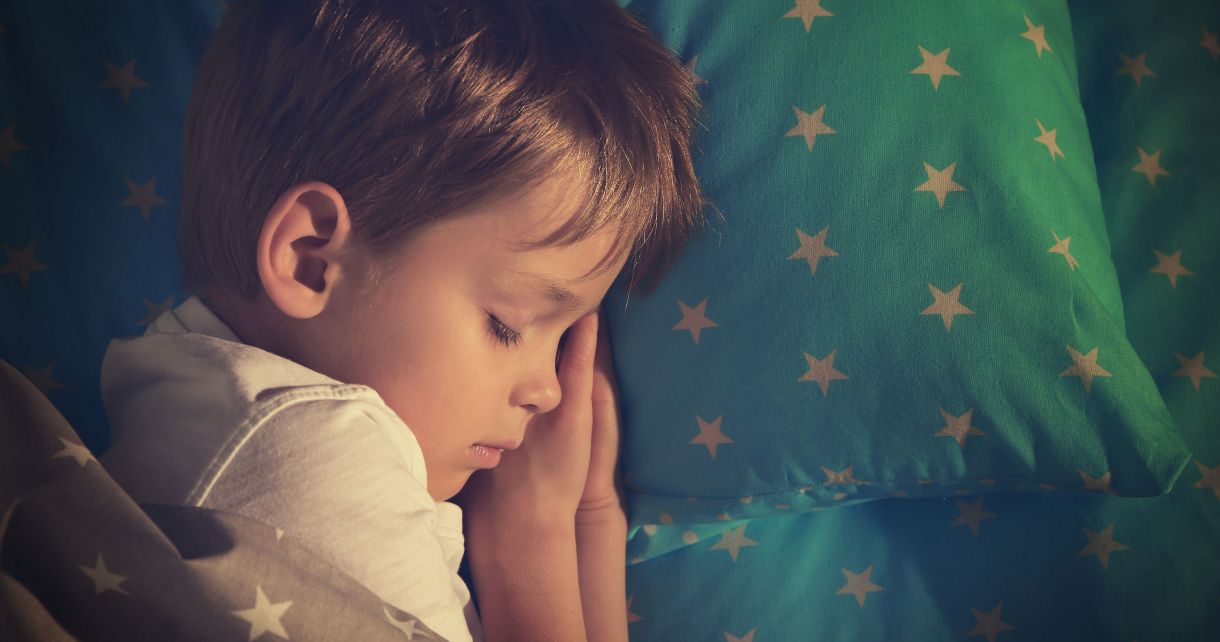
Better quality sleep
Sleep is essential for developing brains. It’s when your little one’s brain processes their day, and what they’ve learned and experienced, storing all that goodness away to draw upon as they grow.
If your little one is struggling to snag the sleep they need to feel refreshed and rejuvenated, consider weaving meditation into their bedtime routine.
Stronger emotional regulation and resilience
As your little one explores the world, they’ll be exposed to all kinds of stressors, and that can dysregulate their mood and make it difficult for them to settle.
Children’s meditation can really support your little one’s well-being by allowing them the space to sit with their feelings and calm any racing thoughts that are whizzing around their brains.
Improved focus levels
Practised regularly, meditation can hugely improve your little one’s ability to focus, which poses the added benefit of increased attention and greater levels of concentration.
Meditation teaches children to narrow their focus, helping them to pay closer attention to their thoughts and filter out all of the busyness in their brains.
Here at Busy Bees, we have created a few mindfulness techniques to help children to learn how to regulate their emotions. These activities are called ‘Be Calm’ and are similar to tried and tested meditation techniques, perfect for helping your little ones to settle after a busy day.
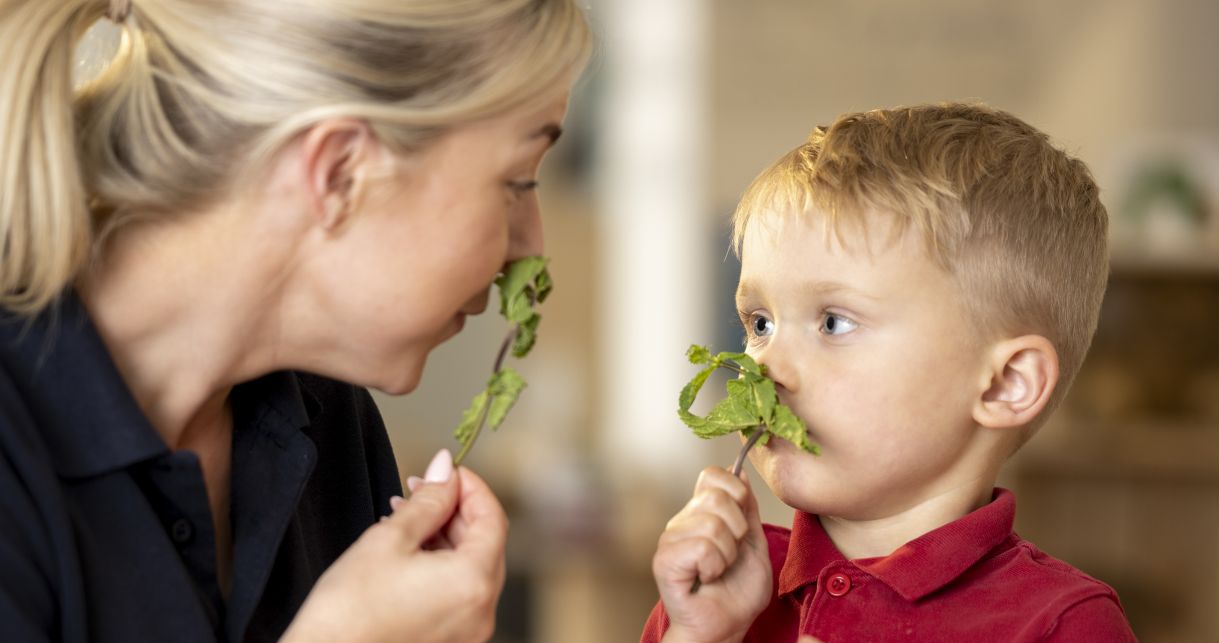
Be calm and breathe - Smell the soup, cool the soup
This 'Be Calm' experience will encourage your child to focus on their breathing.
Ask your child to imagine they are holding a bowl of soup in front of them. Invite them to close their eyes and smell the soup as they take a deep breath.
Now, encourage them to cool the soup as they breathe out a deep breath.
You can change this to your child's favourite foods, for example 'Smell the spaghetti' or 'Smell the custard'.
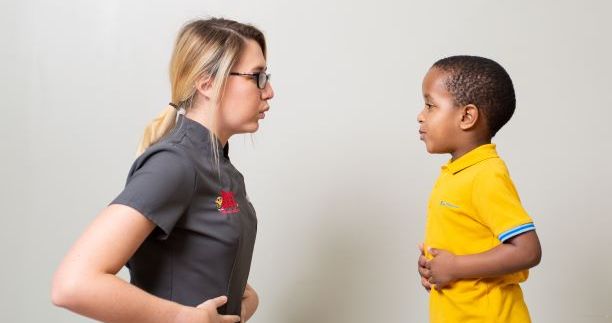
Be Calm and active - Clap it out or stamp it out
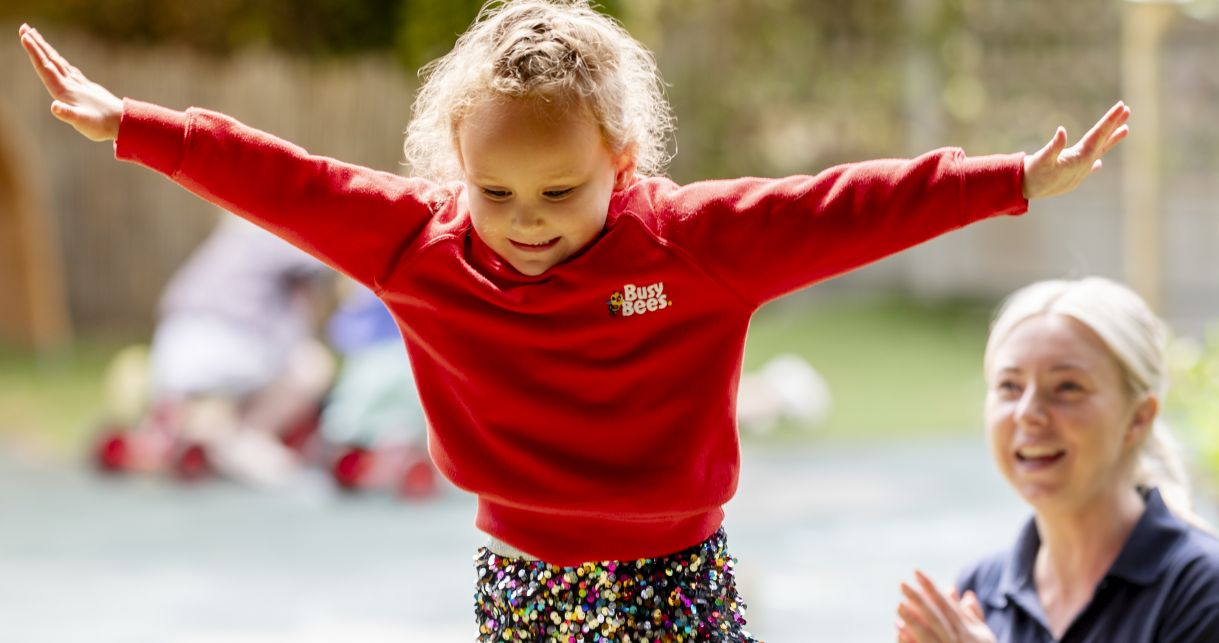
Lots of children calm themselves better through a physical burst of energy rather than a sitting down breathing activity.
Encourage your child to clap as fast as they can for 10 seconds. When the time is up put your hands out in front of you, palms facing outwards. Ask them if they can feel their fingers tingling.
Alternatively, ask your child to stamp their feet as quickly as they can for 10 seconds. What do their feet feel like when they’ve stopped?
Be Calm and breathe - Sleepy animal
This Be Calm experience helps your child to relax.
Ask your child to lay down on their back and close their eyes. Place a small stuffed toy on their tummy. Explain that we have to try and rock our animal to sleep with our tummy breathing in and out.
Invite your child to breathe in deeply though their nose and feel the stuffed animal rise and then feel it lower as they slowly exhale through their mouth. Ask them to raise their hand when they think their animal is ‘asleep’.
Every child’s approach to meditation will be slightly different, especially in the early stages, and that’s perfectly normal.
At first, they may struggle to focus, or even find the idea a little silly, but with practice and perseverance, they’ll become naturals.
Need a few pointers to help your child with their meditation? We’ve got you.
Keep it short
Children have much shorter attention spans than adults. With that in mind, it’s wise to keep your little one’s meditation sessions short, ideally between one—five minutes, depending on your child’s focus levels.
Don’t criticise
Like any new activity, learning to meditate requires practice, and it’s only normal for your child to struggle to get to grips with it in the early stages.
But with patience and practice, they’ll improve and criticising them will risk turning a relaxing activity into an anxiety-inducing chore, which is the last thing you want.
Create a calming environment
Meditation is meant to be calming, so be sure to minimise distractions and cultivate the most relaxing environment possible for your little one’s practice.
The key is choosing the quietest, most comfortable space you can. If you want to dial up the serenity, you could even add soft lighting or soothing music.
Encourage breath awareness
Breath awareness is the goodness that underpins any meditation practice, so no matter the type of meditation you try with your little one, it’s important to encourage them to focus on their breathing.
It doesn’t have to be complicated. Just gently encourage them to notice how their body feels as they inhale and exhale, focusing on the rise and fall of their chest or the feel of the air coming in through their nose.
Whether it’s stronger emotional regulation, improved attention span, or better-quality sleep, the benefits of meditation for children speak for themselves.
And with so many types of meditation to try, your little one is bound to find something they enjoy. The rest is just practice, practice, and more practice.
Need more parenting advice? Check out our blog, where you’ll find articles on everything from tips for supporting your child’s emotional wellbeing to fun and easy yoga poses for children.
by Busy Bees
Published: 30/01/2026
Share Blog
by Jenny Shaw 01/09/2026
5 min read
by Busy Bees 29/07/2026
6 min read
by Busy Bees 24/07/2026
7 min read
by Busy Bees 24/07/2026
5 min read
by Busy Bees 08/07/2026
5 min read


