Health & Wellbeing
5 min read
1
Health & Wellbeing
5 min read
5 min read
5 min read
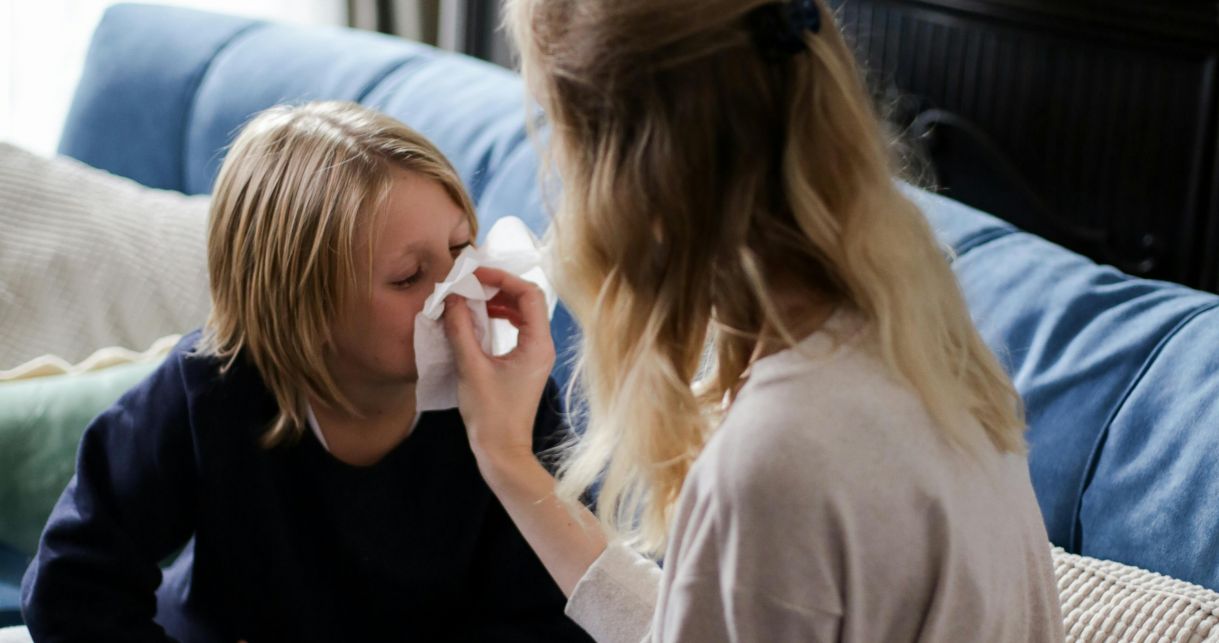
Children get ill. Often. Whether it’s minor winter sniffles or full-blown duvets-on-the-couch flu, they’re much more susceptible to bugs than adults.
And while that’s—understandably—a panic-inducing idea for any parent, childhood illnesses are a natural, essential part of your little one’s journey.
Of course, no parent wants to see their little one in discomfort, and we’d all happily weather the illness for them if we could, but getting ill actually supports the development of your little one’s immune system.
But that doesn’t make it any less concerning when your little one is running a fever, complaining of tummy pains, or battling a nasty cold.
Children can become unwell while their immune system is developing, it is important to be aware of signs and symptoms and when further medical advice may be required.
With that in mind, we’ve put together a guide exploring the most common childhood illnesses that you’ll almost certainly encounter as your little one explores the world.
But first, let’s answer the million-dollar question…
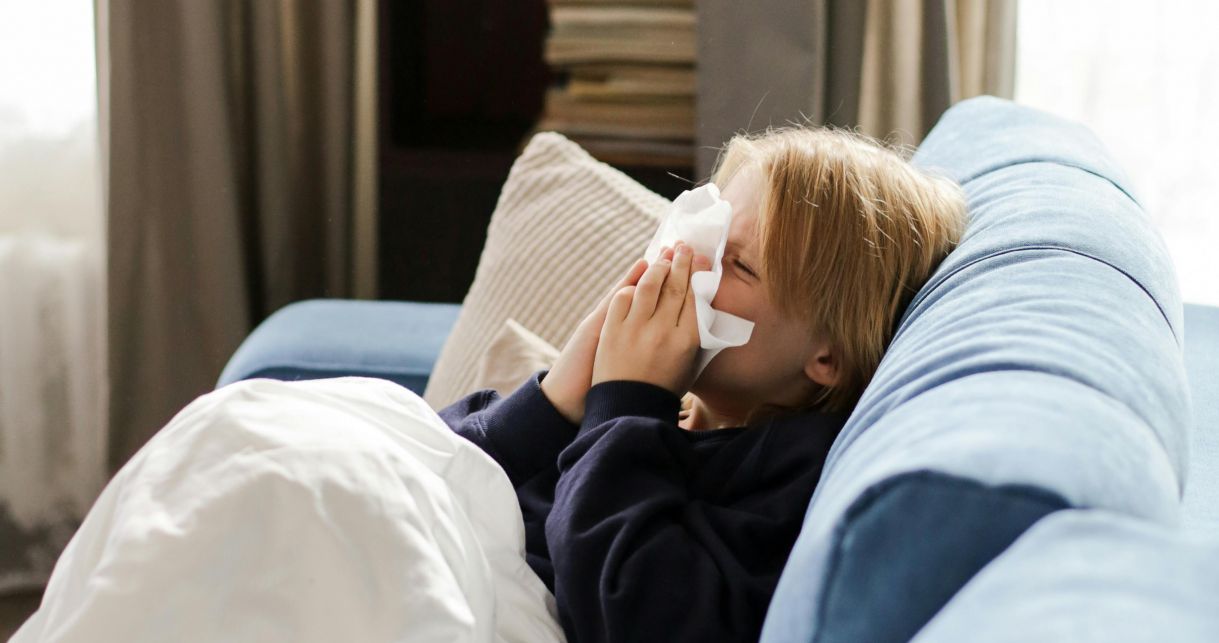
In a word: no. Getting ill is a natural (and inevitable) part of childhood that supports the development of a healthy immune system.
Of course, we’re not suggesting you should let your child become ill, but actively trying to prevent illnesses can harm their development, leaving them physically and emotionally unequipped to handle being unwell.
As your little one is exposed to bugs and bacteria, they’ll develop the necessary antibodies to fight that illness when they next come into contact with it.
Being ill is wretched; this you know from experience. But what you also know from experience is that the symptoms and sensations will (eventually) pass.
You know who doesn’t know this? Your little one. So, the first time they encounter, say, a nasty cold, their entire world is knocked off its axis. (Hence, the clinginess.)
So, what types of common childhood illnesses can you expect to see as your little one takes their first steps into the big, wide world?
FYI: Any symptoms we’ve noted are typical of their respective illness, but only you know your child. If something seems off—no matter how small—speak to a doctor immediately.
Let’s start with the almost-literally inevitable, shall we?
Unless they’re extremely lucky, your little one will pick up a common cold at some point. They’re particularly contagious, passed on through coughs, sneezes, and those pesky germs that sit on everything from door handles to counter-tops.
Fortunately, the common cold is generally mild, and your little one will be back to their fun-loving self again within a week or two, depending on their overall health.
The symptoms of a cold will vary, but typically feature some combination of:
In some cases, cold symptoms can also include fever, muscle pains, and the loss of sense of taste and smell, so be sure to monitor your little one closely.
There’s a misconception that influenza (the flu) is simply a more powerful version of the common cold, but that’s well…. a misconception.
You see, whereas colds can be caused by one of 200 viruses, influenza is caused by a unique virus that packs a much stronger punch.
Influenza is highly contagious so it’s highly likely that your child will contact it at some point. Fortunately, most schools offer vaccination programmes and flu jabs are free for children, so there’s plenty you can do to protect your little one.
If they do catch the flu, symptoms are quite unpleasant, and include:
Flu can get better on it’s own, being treated with plenty of fluids, children’s paracetamol, bed rest… and plenty of cuddles!
But the flu can be serious for children under five, we recommend visiting the NHS website for further information surrounding treating flu symptoms and for recommendations on when it’s best to seek additional medical support.
After colds, ear infections are (perhaps) the most common illnesses in children, so it’s highly likely that your child will contract one at some point—especially after starting nursery or school.
They’re caused by build-up of bacteria in the ears, which is why they often occur immediately after—or even during—a bout of cold or flu.
They can be nasty, with symptoms including:
In some cases, ear infections can affect your little one’s balance, appetite, and hearing, so it’s important to stay vigilant as symptoms develop or change.
The good news is ear infections typically clear up in 3 days and can be treated with children’s paracetamol and ibuprofen. If you are looking for additional treatment guidance, we recommend visiting the NHS website.
Chickenpox is such a common childhood illness that it’s practically become a rite of passage, with most adults able to vividly remember their own bout.
And that’s totally understandable: chickenpox is both highly contagious and deeply uncomfortable, with the most notable symptom being a telltale itchy, flaky rash that covers most of the body.
Chickenpox works in stages, starting with small, often painful pinky-red spots that can form anywhere on the body. Soon, these spots develop into itchy blisters, filled with pus. Finally, the blisters become scabs. (This is the itchiest part.)
FYI: Based on how contagious it is, it’s vital that you child stays home if they contract chickenpox.
There are many ways you can soothe and treat the discomfort of chickenpox, including:
Cooling gels
Antihistamines (to prevent itching)*
As you (probably) remember your parent telling you, it’s important to make sure your little one doesn’t scratch or pick at chickenpox blisters, as they can scar.
Some parents pop socks/soft gloves on their little ones’ hands to prevent idle scratching.
It’s also worth noting that the Chicken Pox Vaccine is now offered to babies and children born after January 2020! The NHS website has lots of information if you are interested in finding out more.
* Antihistamines should never be given to children without first consulting a doctor or pharmacist.
Upset tummies and vomiting are (unfortunately) common in children, who, as their immune systems are developing, pick up all manner of bugs.
The good news? They’re usually nothing to worry about and generally clear up in a few days.
That said, it’s important to monitor your little one for any signs of dehydration caused by an upset tummy; it can be serious and may require medical assistance.
As upset tummies can be caused by all manner of bacteria, there’s no fixed way to treat them, so it’s very much a case of paying attention to your little one.
While they’re unwell, your little one can (and should) drink plenty of fluids, but fizzy drinks should be avoided.
Instead, opt for small sips of water, at regular intervals. Rehydration powders can help, but you could consult a pharmacist or doctor before using them.
Despite what outdated sayings suggest, your little one can eat while they’re struggling with an upset tummy, but it’s best to opt for bland foods such as pasta and bread.
As with almost all common childhood illnesses, the discomfort of upset tummies can be alleviated with children’s paracetamol and ibuprofen, but dosage should be specific to your child’s age.
Conjunctivitis (aka: pink eye) can make your little one weepy, irritable and just plain miserable.
And who can blame them? Conjunctivitis is a highly contagious condition that causes itchy, weepy eyes. It can even cause them to fill up with yellowy gunk that sticks to their eyelash and can stick them shut.
But while that may sound severe, conjunctivitis is common amongst children, it should clear up within a couple of weeks, but the NHS recommends seeing a GP if symptoms haven’t cleared up within 7 days, or immediately if you think your young baby has conjunctivitis.
Sadly, there’s little you can do to ease the itching and discomfort. Some home treatments that can help include:
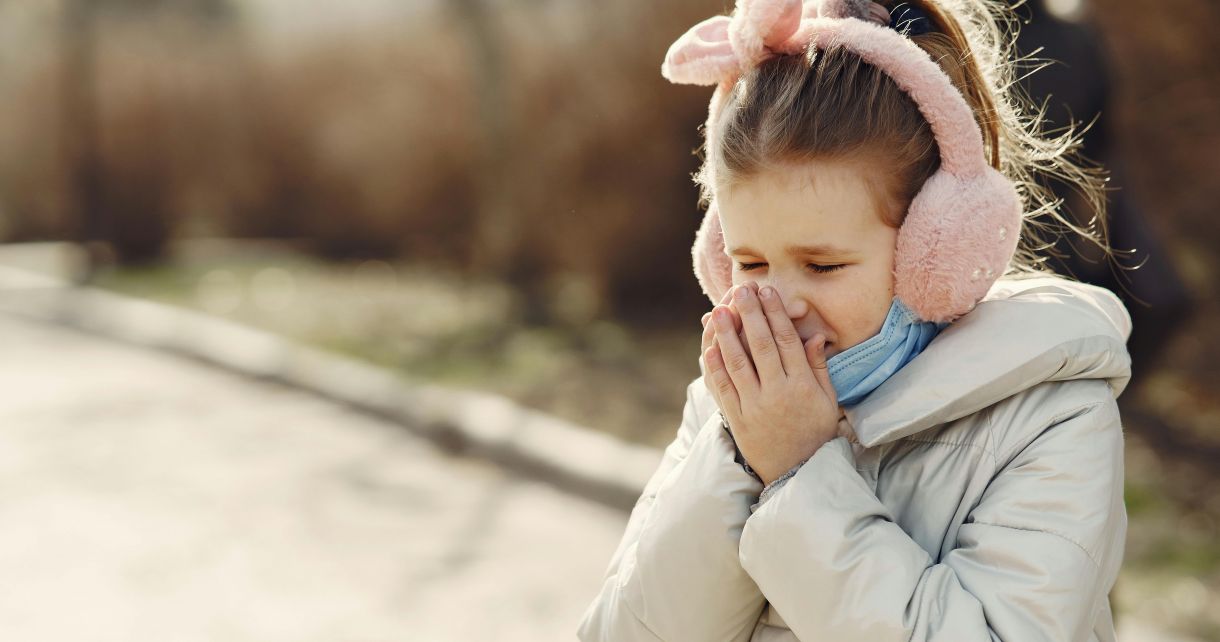
As much as we’d all like to prevent it, it’s likely that your little one will experience one of the many common childhood illnesses at some point, especially when they begin mixing with other children more frequently.
That said, regardless of what bug they’re fighting, be sure to monitor your little one’s symptoms for anything unusual and speak to a doctor if you’re unsure.
Need more parenting advice? Check out of blog, where you’ll find articles on everything from supporting your child’s emotional well-being to personal hygiene habits for children.
by Busy Bees
Published: 25/03/2026
Share Blog
by Jenny Shaw 01/09/2026
5 min read

by Busy Bees 29/07/2026
6 min read
by Busy Bees 24/07/2026
7 min read

by Busy Bees 24/07/2026
5 min read
by Busy Bees 08/07/2026
5 min read


