Parenting Resources
6 min read
1
Parenting Resources
6 min read
6 min read
6 min read
As infant milestones go, teething is a double-edge sword.
While it’s satisfying to see your little one cutting teeth—real, tiny person teeth!—it can be difficult to watch if they experience the discomfort of teething.
The good news? There’s plenty you can do to soothe your little one when they’re teething, from gentle gum massages to chilled teething rings and toys.
As you’ve likely already discovered, every child responds differently to physical discomfort, so it’s important to know what’s normal for your little one.
So, if you’re eager to offer your little one some relief from the discomfort of teething, we’ve pulled together some handy teething tips that may help.
But first, let’s unpack teething in more depth.
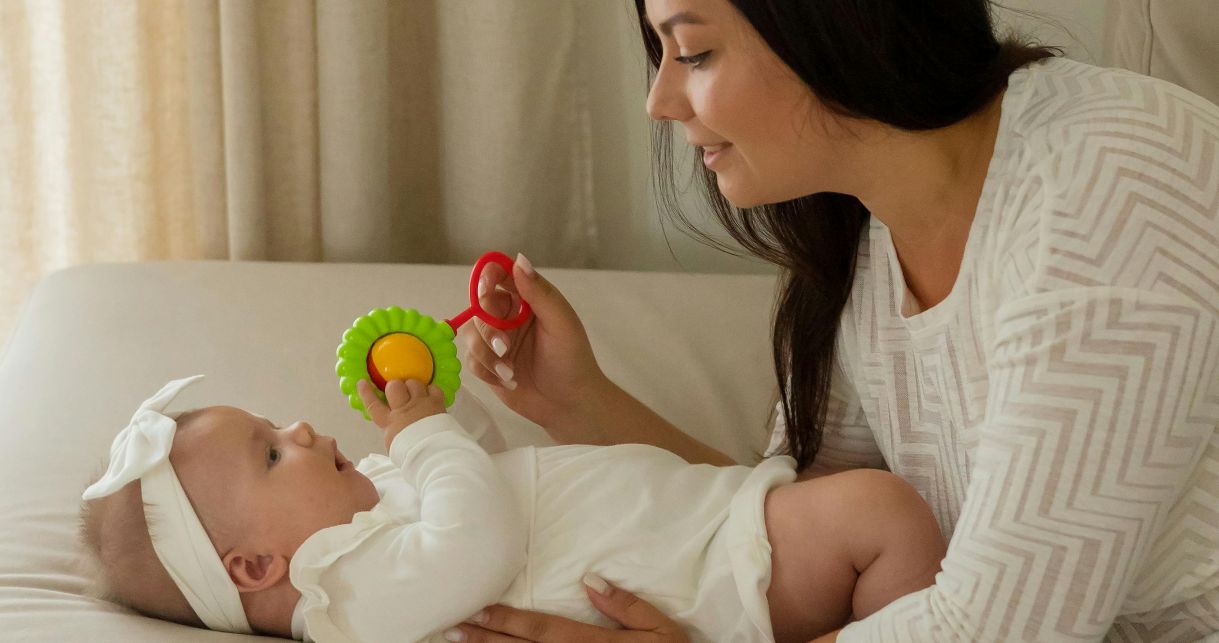
As with any milestone, teething doesn’t happen at a fixed time. There’s no ‘right’ time for babies to start teething. Think of it as more of a window than a deadline.
Some babies will start to develop teeth at around six-months-old; others will wait up to (and beyond) their first birthday.
A study into the presence of teeth at birth even found that some babies are born with teeth already erupted, but that’s exceedingly rare. (And noting to worry about!)
Fortunately, teething has several tell-tale signs to watch for.
While teething may seem easy enough to identify, it (typically) happens when your little one is, well… a germ magnet, picking up bugs and viruses aplenty.
As you can imagine, this can make it challenging to determine whether your little one is cutting a tooth or fighting off the latest lurgy.
Every child is different, so they won’t experience all (or any) of the common teething symptoms, but a few to watch out for include:
In some cases, your little one may even develop a rash on their face or have one flushed cheek, often referred to as a ‘teething rash’.
Despite the name, the rash isn’t caused by teething, but the excess saliva from dribbling. It typically appears on the chin, neck, or lower cheek and presents as small patch of red, raised bumps or chapped skin.
As you can imagine, the duration of teething pain will vary from child-to-child, but as a very broad estimate, the discomfort can last around a week, starting a few days before the tooth ‘erupts’ and ending a couple of days afterward.
It’s not an exact science, so be sure to pay close attention to your little one. You know your baby best. Get medical advice if they have any symptoms that are causing you concern. You can call NHS 111 or contact a GP.
According to teething information from the NHS, teeth (typically) emerge in the following order:
There’s no one-size-fits-all way to soothe teething, so it can be a case of trial and error as you try to find what brings your little one some relief.
That said, there are several methods that have stood the test of time, bringing comfort to upset babies and weary parents alike, including:
Ever felt the (temporary) relief of a cold compress on an achy tooth? Teething rings work pretty much the same way.
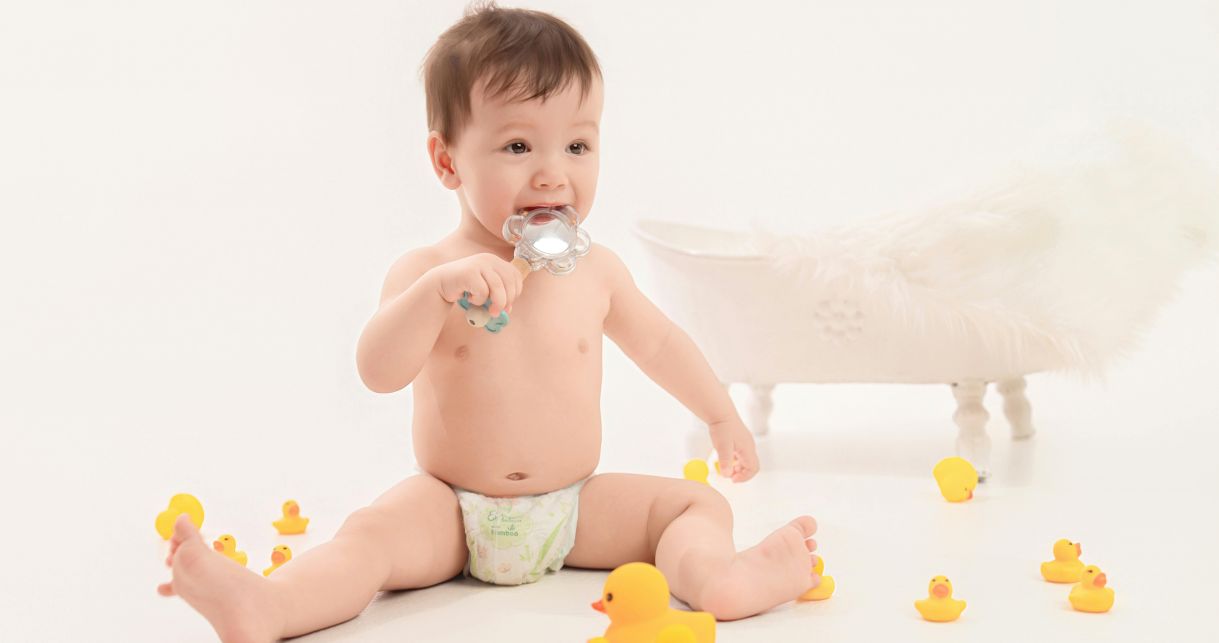
Typically made of natural rubber or silicone, teething rings are chunky toys that are safe for your little one to gnaw on.
They work exactly as you imagine they would, resisting your little one’s bite to offer the type of pressure that can relieve discomfort and provide a distraction.
You can also chill a teething ring* to offer a little extra comfort but do so with caution—a teething ring that’s too cold (or frozen) can bruise or burn your baby’s gums, make sure to follow the manufacturers guidance and never.
*Never tie a toy or teething ring around a baby’s neck.
Sticking with the notion of applying pressure, a gentle gum massage can bring your baby some relief if they’re struggling with teething pain.
There’s no ‘right’ way to massage your baby’s gums; simply make sure your hands are clean and gently massage the area in circular motion with a finger.
The massage will alleviate some of the pain and inflammation, while offering the type of close contact that’ll make your baby feel safe and secure.
FYI: Not all babies will find gum massages pleasant, so be sure to stop if your little one keeps pulling away; it could be a sign you’re upsetting them.
You’ll likely find that your little one is extra-clingy when they’re teething, and that’s totally normal; they’re distressed and you represent comfort.
While it doesn’t offer direct relief, distraction is a type of relief of its own. Your little person is exactly that: a little person. And, like bigger people, sometimes all they need is for their mind to be taken off their discomfort.
Whether it’s a cosy cuddle, a stroll in the sunlight, or a spot of play, you’d be surprised how much simply occupying your little one can relive teething pain.
If your little one has started on solids, there’s plenty of relief to be found in chilled fruits and vegetables, the coolness of the fruit can reduce inflammation and the act of chewing works like a gum massage. Just make sure you avoid frozen or hard foods that can pose a choking risk.
The foods themselves are up to you, but it’s probably best to stick with flavours your little one enjoys. The last thing either of you needs is more frustration.
Some options include:
If your little one isn’t quite on solids yet, you could use a vegetable masher to puree fruits and vegetables, before popping them in the fridge for a few minutes to chill.
Whether you’re mashing or chopping, make sure to supervise your little one when they’re eating to prevent choking.
If you’ve tried everything you can think of, but your little one is still struggling, there’s nothing wrong with using over-the-counter pain relief.
Whether it’s an infant-friendly paracetamol or a teething gel, be sure to opt for the sugar-free versions to avoid any damage to your little one’s developing teeth and make sure to follow the manufacturers instructions.
These medicines may ease pain and inflammation, as well as helping your little one to settle enough to get much-needed sleep, which may have been disrupted by fitful, fussy nights.
FYI: Always check with your GP if you’re unsure which painkillers your little one can have and follow dosages exactly.
Whether it’s a gentle gum massage or good old-fashioned cuddles and comfort, there are plenty of ways to bring relief from teething, helping your little one navigate a painful and frustrating period. If you need further support with teething, visit the NHS website.
Need more parenting advice? Check out our blog, where you’ll find articles on tips for potty training, advice on handling separation anxiety at nursery, and more.
by Busy Bees
Published: 20/04/2026
Share Blog
by Busy Bees 14/10/2026
7 min read

by Busy Bees 13/10/2026
5 min read

by Jenny Shaw 01/09/2026
5 min read

by Busy Bees 29/07/2026
6 min read

by Busy Bees 24/07/2026
7 min read


