Health & Wellbeing
7 min read
1
Health & Wellbeing
7 min read
7 min read
7 min read
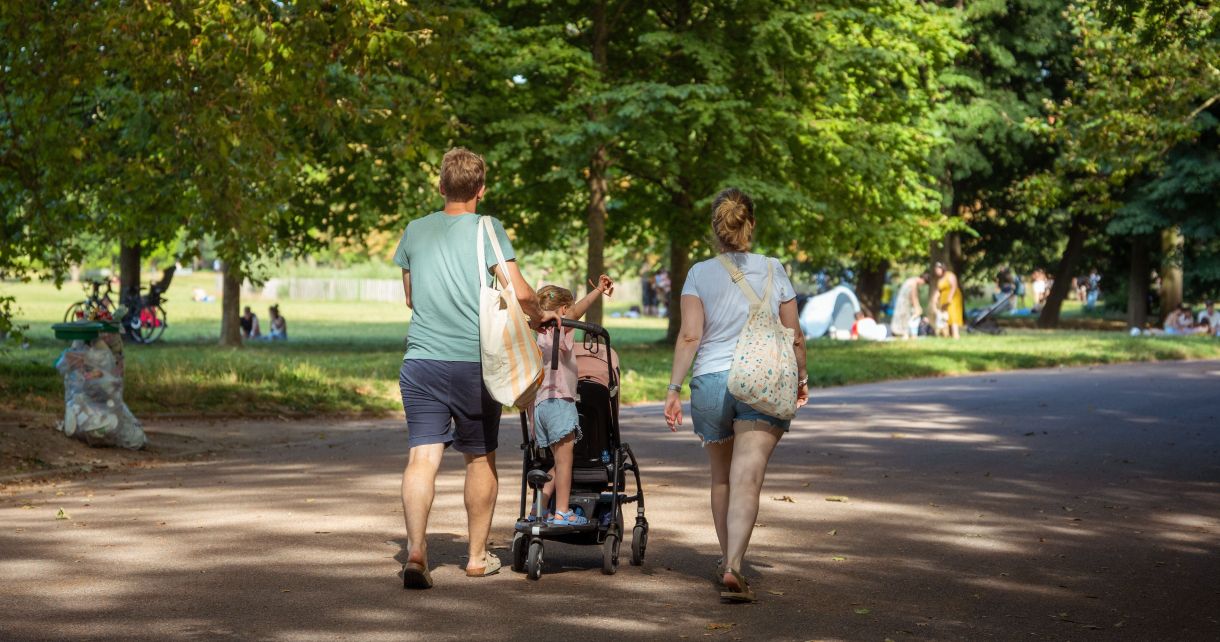
As the sun (finally!) starts to shine and the temperature climbs, it’s likely that you’ll be seeking to soak up some rays with your little one.
But whether you’re jetting off overseas, taking advantage of local green spaces, or simply relaxing in your garden, it’s important to keep sun safety for your little one at the forefront of your mind.
The snag? There’s an overwhelming barrage of information online—often conflicting or outdated—telling you exactly how to keep little ones safe on hotter days.
With that in mind, we’ve pulled together a list of must-know tips on sun safety for children to help you make sure your little one is fully protected on their summer adventures.
In this post, we’ll cover:
But first, let’s explore why sun safety for infants is so important and the risks of too much unprotected exposure to sunlight.

According to research on paediatric heat stroke, children are at significantly higher risk of heat-related illnesses, including sun stroke, which, at its worst, can be fatal.
Without delving too deeply into the science, children’s higher metabolic rate and reduced sweating make them physiologically more vulnerable to heat, with their lack of judgment regarding heat (such as not hydrating enough) increasing the risk.
And it isn’t just a short-term issue. Prolonged exposure to the sun can increase your little one’s likelihood of developing serious health conditions later in life, including types of skin cancer. It can even damage their still-developing immune system.
But the physical and emotional benefits of outdoor play for children are well-documented, so how do you make sure your little one is enjoying the sun in the safest way possible?
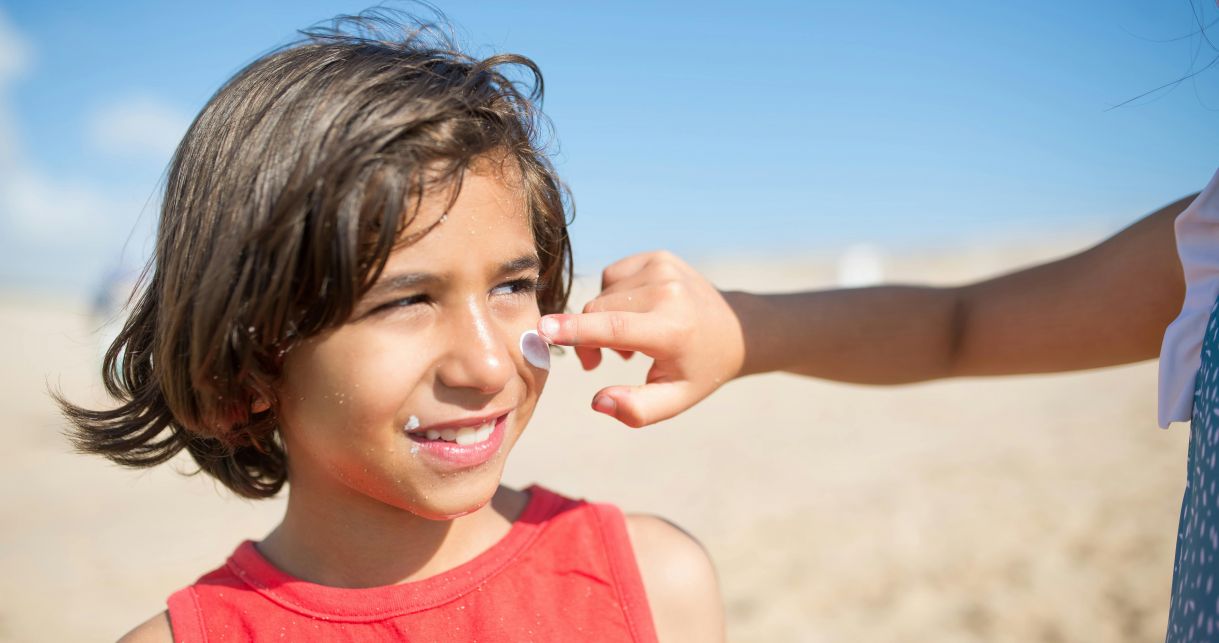
Sunscreen is a miracle in a bottle.
Okay. That’s a slight exaggeration, but it’s pretty incredible the more you think about it. A cream that you apply to your little one’s skin that protects them from the harmful ultraviolet rays of a burning ball of gas, 93 million miles from Earth.
Miracle or not, sunscreen is non-negotiable on sunny days. It’s literally designed to protect children on hot days, so make sure you’ve always got a supply on hand.
Note: whilst sunscreen is designed to provide sun protection, wearing suitable clothing and moving into the shade from time-to-time helps to keep children safe when the suns rays are most powerful.
But how much sunscreen should you apply? And how often?
According to NHS guidance on children and sun protection you should apply sunscreen of at least 30SPF, that protects against both UVB and UVA to all exposed areas of your little one’s body, at least thirty minutes before heading outside. Many brands produce sunscreen specifically for babies and young children, as these products are less likely to contain additives that might irritate the skin.
FYI: Be sure to cover every exposed spot, including your little one’s face, neck, ears, and nose.
As a rule of thumb, you should apply (approximately) a teaspoon of sunscreen per body part. If that’s tricky to visualise, just make sure the skin is white before rubbing the cream in deeper.
For maximum protection, you should re-apply sunscreen to your child’s skin every 2 hours or as recommended via the manufacturer’s instructions. You should also make a habit of re-applying sunscreen if your little one has been splashing in water, towelled themselves off, or simply gotten sweaty from playing in the heat.
Children are relentless. Tiny balls of energy, forever bounding from one activity to the next, barely pausing for breath as they soak up everything the world has to offer.
And that counts double for summer, when the sun seems to supercharge their energy levels, leaving parents exhausted from simply watching the action.
But excitable children rarely act in their best interests, so left to their own devices they’ll likely forget that water a) exists and b) is a thing that cools and refreshes their overheated bodies.
That’s where you come in.
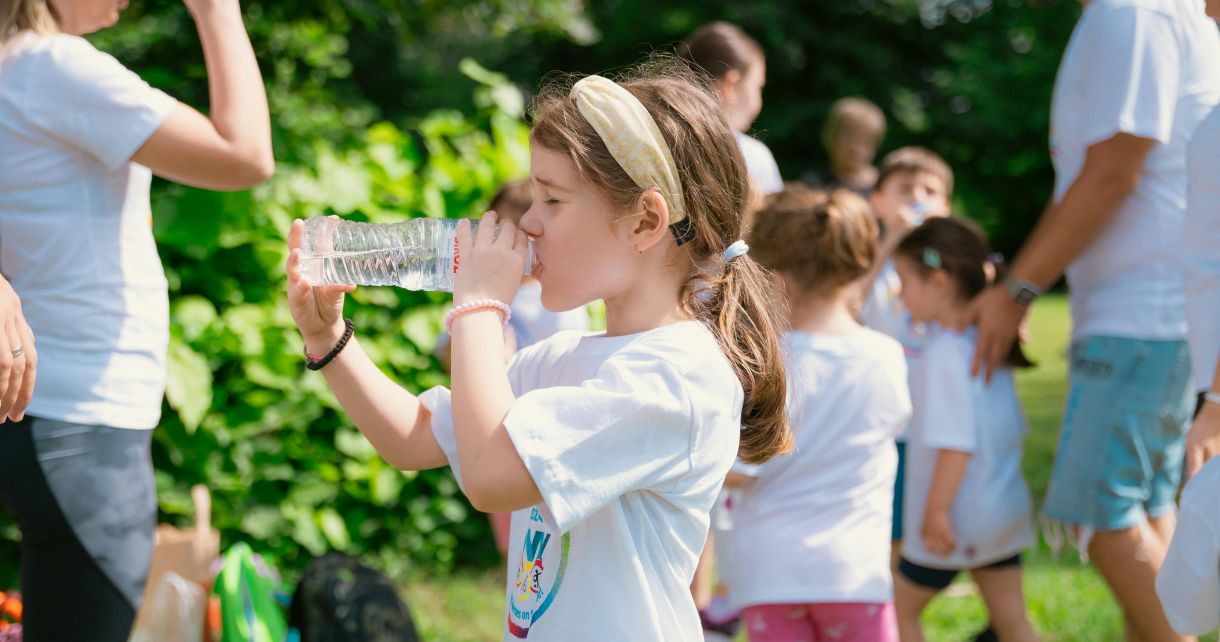
As they’ll forget, you’ll need to (repeatedly) nudge your little one to stay hydrated. Remember: just because you’ve filled their water cup or bottle, doesn’t mean they’ll remember to drink from it. For younger babies, it’s also worth noting that their main form of hydration should come from breast milk, formula or cows’ milk.
And while access to plenty of water is rule one of sun safety for infants, it isn’t the only way to keep your little one hydrated.
For example, you might try breaking up the sun-fun with a refreshing fruit break, featuring juicy favourites such as watermelon, orange segments, and strawberries, each of which is upwards of 85% water.
Whether it’s making sure your little one is drinking enough or adding plenty of fruit to the summer menu, hydration is essential to summer safety.

Summer is getting hotter. Literally.
In 2025, the highest-recorded daytime temperature was a mercury-melting 35.9 degrees Celsius, continuing a trend of truly sweltering heatwaves beating down on the UK in recent years.
In fact, according to MET office data, summer 2025 was the warmest on record, making sun safety not just important, but crucial to your little one’s well-being.
Fortunately, there’s an easy-breezy way of protecting your little one from the sun’s most harmful rays: seeking shade at peak periods, which is between 11 am and 3 pm.
Whether it’s staying indoors, stepping into a play tent, popping up some parasols, or even lounging beneath a big tree, staying in the shade when the sun burns its brightest will offer your little one the protection they need, staving off sunburn and heatstroke alike.
If you’re looking to keep your child in shade whilst in a pram make sure to use a parasol or sunshade instead of blankets.
FYI: No matter how shady your chosen space, your little one can still get burned if they’re outdoors, so be sure to keep the sunscreen topped up, even when not in direct sunlight.
Speaking of which…

Just because you can’t see the sun doesn’t mean its rays can’t harm your little one.
In fact, up to 80% of ultraviolet radiation can penetrate clouds, meaning your little one can pick up a nasty case of sunburn on even the greyest of days.
Sun damage is sneaky. It isn’t necessarily about how bright the sun is, but how much UV radiation is present on a given day.
As you can imagine, UV rays spike in the summer months, making them an ever-present danger, whether it’s gloriously sunny or frustratingly overcast.
Fortunately, the safety advice for cloudy and rainy days is the same as on any other summer day: keep your little one’s sunscreen topped up, make sure they stay hydrated, and avoid peak periods.
“You get what you pay for.”
A cliché? Perhaps. A truism? Absolutely.
The sun may be an all-purpose mood-booster, but it’s still very, very dangerous if you’re not equipped for it—and that counts triple for little ones, who’re much more susceptible to its rays.
So, what ‘equipment’ do you need?
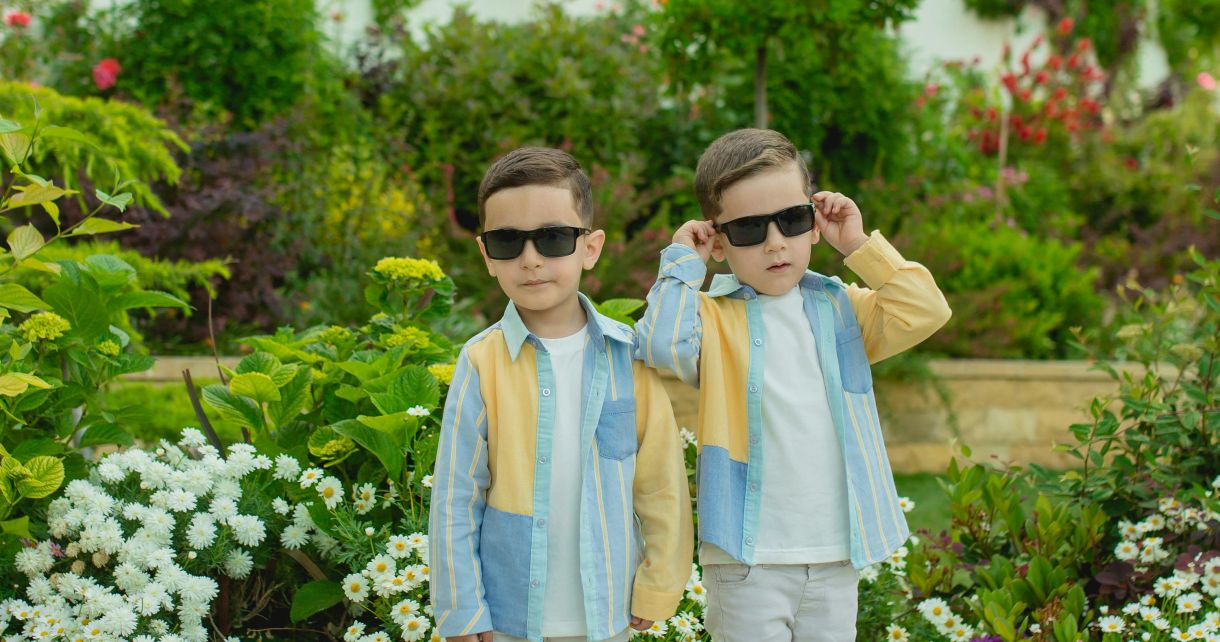
Your first investment should be a quality pair of sunglasses. And we use the word ‘investment’ literally here; a cheap novelty pair simply won’t offer the level of protection they need.
Children’s eyes are far more sensitive to UV rays than adults’ as their clearer lenses and larger pupils allow more light to reach the retina, which, in high enough doses, can harm their eyesight.
What’s more, according to an article by the College of Optometrists, long-term exposure to UV radiation can increase your little one’s risk of developing serious eye conditions later in life, including cataracts and macular degeneration.
So, when you’re seeking out sunglasses for your little one, be sure to choose a pair that offer 100% UVA and UVB protection, ideally bearing the British Certified, CE or UKCA mark.
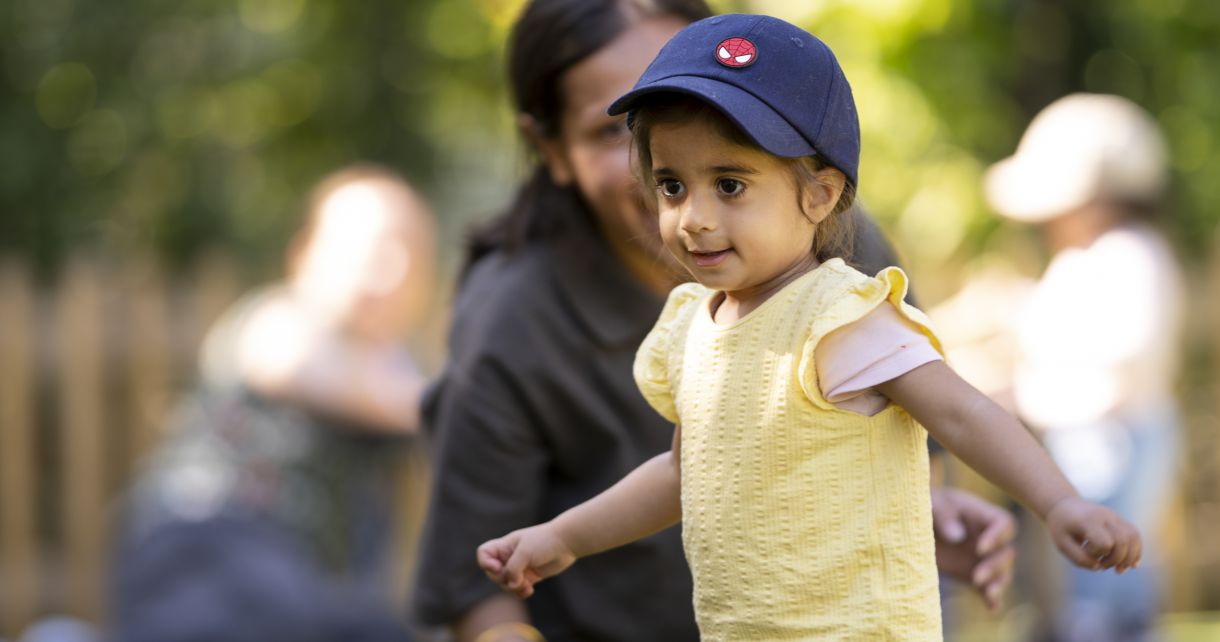
It goes without saying, but we’d be remiss if we didn’t mention hats: the must-have fashion accessory for your little one during the summer.
(Also, the item most likely to be blown into the sea, left behind in a service station coffee shop, or stolen by and enterprising goat at an animal sanctuary.)
As the weather heats up, it’s important that your little one’s head is protected, so choose a lightweight hat with a wide brim to ensure maximum coverage of their face, neck and shoulders.
It’s also worth opting for a hat made from a breathable fabric—such as cotton or polyester—to improve airflow and prevent your little one from overheating.
And if you’re eager to go all-in on sun safety, maybe even pick up a hat with a UPF (ultraviolet protection) rating of 50+, as these can block out up to 98% of UV rays.
And there you have it. Our go-to tips on how to stay safe in the sun. Whether it’s slapping on layer-after-layer of sun cream or investing in a quality pair of sunglasses, keep these tips in mind as the sun makes a much-anticipated return. For more information, visit the NHS website for specific tips for each age group.
Need more summer-y advice? Check out our blog, where you’ll find articles on everything from tips for travelling with children to summer holiday adventure ideas.
And once summer’s done? We’re on hand for all your nursery needs. Find a nursery near you for more details.
by Busy Bees
Published: 19/05/2026
Share Blog
by Jenny Shaw 01/09/2026
5 min read
by Busy Bees 29/07/2026
6 min read
by Busy Bees 24/07/2026
7 min read
by Busy Bees 24/07/2026
5 min read
by Busy Bees 08/07/2026
5 min read


